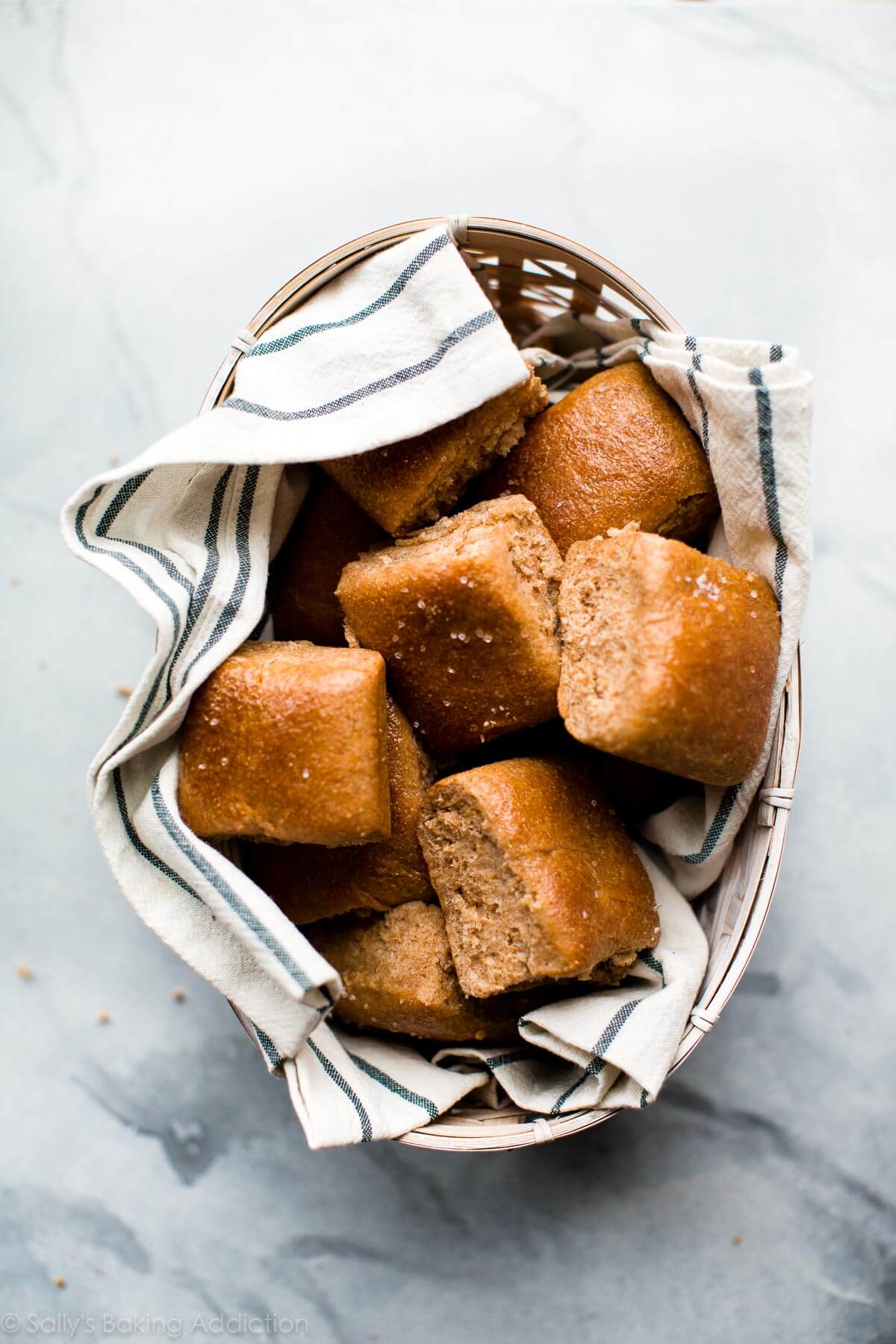
Honey Whole Wheat Rolls: Hearty Taste, Irresistibly Soft Texture
There's a special kind of magic that happens when warm, freshly baked rolls emerge from the oven, filling your kitchen with an intoxicating aroma. But what if those rolls could offer more than just comfort? What if they could be both incredibly hearty and irresistibly soft, brimming with wholesome goodness? Enter the world of
honey whole wheat rolls – a baking triumph that masterfully blends robust flavor with a tender, fluffy texture, challenging every preconceived notion about whole wheat baking. Forget dry, dense hockey pucks; these are the rolls that will make you a believer.
For too long, bakers have grappled with the inherent challenges of whole wheat flour, often resulting in breads that, while nutritious, lacked the pillowy softness we crave. Yet, with the right techniques and a touch of golden honey, you can create
honey whole wheat rolls that compete with, and often surpass, their white flour counterparts. They offer a depth of flavor, a satisfying chew, and a wholesome feel that truly elevates any meal. Whether you're a seasoned baker looking to perfect your whole grain repertoire or a beginner eager to explore the world of enriched doughs, these rolls are a rewarding journey into the art of delicious, nutritious baking.
The Art of Crafting Irresistibly Soft Whole Wheat Rolls
The quest for truly soft whole wheat rolls has historically been a challenging one. Whole wheat flour, with its bran and germ intact, differs significantly from refined white flour. The bran can act like tiny razor blades, cutting through gluten strands and hindering the development of the elastic network crucial for a light, airy texture. However, culinary innovation and a deeper understanding of dough mechanics have paved the way for incredibly tender
honey whole wheat rolls.
One of the most effective strategies involves a thoughtful approach to flour composition. While it’s entirely possible to bake delicious 100% whole wheat rolls, many recipes find success in combining whole wheat flour with a portion of bread flour or all-purpose flour. This blend strikes a delicate balance, allowing the whole wheat to contribute its distinctive nutty flavor and fiber, while the higher protein content of bread flour aids in gluten development, contributing to a chewier and more structured crumb. If you're keen on exploring the differences and making an informed choice for your next bake, understanding the nuances between flour types can be incredibly helpful. Dive deeper into the fascinating world of flour choices with our guide:
% Whole Wheat vs. Sourdough: Your Guide to Honey Rolls.
Beyond flour choice, the secret to tenderness lies in careful hydration and enrichment. Whole wheat flour absorbs more liquid than white flour, so ensuring adequate hydration is crucial. Additionally, incorporating fats like unsalted butter plays a vital role in tenderizing the dough, giving the rolls a rich flavor and a softer crumb. The increased moisture and fat work synergistically to counteract the density often associated with whole wheat, transforming it into a delightful, yielding texture. For more in-depth strategies to achieve that perfect softness, explore our dedicated article:
Unlock the Secret to Soft Honey Whole Wheat Dinner Rolls. Proper kneading is also paramount; even with whole wheat, developing the gluten network sufficiently will lead to a better rise and a more open, softer interior.
A Symphony of Flavor and Texture: Why Honey Whole Wheat Rolls Stand Out
What truly sets
honey whole wheat rolls apart is their unique and harmonious flavor profile, perfectly complemented by a satisfying texture. Unlike the often bland taste of plain white rolls, these offer a delightful complexity that engages the palate. The whole wheat flour contributes an earthy, nutty undertone, a deep, wholesome flavor that speaks of natural goodness. This is beautifully balanced by the inherent sweetness and subtle floral notes of honey, which doesn't just add sugar but also a distinct richness and moisture to the dough. The combination is simply delicious – a rustic yet refined taste that is both comforting and intriguing.
When it comes to texture, these rolls achieve an enviable balance. They are undeniably soft and fluffy, melting in your mouth, yet they possess a certain "oomph" – a robust structure and a satisfying chew that gives them real body and presence. They aren't flimsy or ephemeral; instead, they have a substantial feel that makes them incredibly satisfying. This hearty texture means they hold their own beautifully, whether slathered with butter, used to sop up gravy, or even as a base for a mini sandwich. Their "staying power" ensures they remain enjoyable beyond the immediate cooling period, resisting the tendency to quickly dry out.
The versatility of
honey whole wheat rolls makes them an invaluable addition to any table. While they excel as dinner rolls, providing a wholesome accompaniment to any meal, their rich flavor and tender crumb make them perfect for a variety of uses. Imagine them alongside a hearty stew, as the foundation for a breakfast sandwich with scrambled eggs, or simply enjoyed on their own with a smear of homemade jam. Their wholesome appeal also makes them a fantastic choice for lunchboxes, providing sustained energy throughout the day. They are a testament to the fact that healthy can truly be incredibly delicious and utterly irresistible.
Key Ingredients for Unforgettable Honey Whole Wheat Rolls
The success of truly exceptional
honey whole wheat rolls hinges on a few fundamental ingredients, each playing a crucial role in achieving that perfect balance of hearty flavor and soft texture. Understanding the purpose of each component allows you to appreciate the magic unfolding in your mixing bowl and helps ensure consistent results.
*
Whole Wheat Flour: This is the star of the show, providing the characteristic hearty flavor and nutritional benefits. As discussed, its bran content can make it challenging to work with. Some recipes opt for 100% whole wheat, employing specific techniques like increased hydration and fat to achieve softness, while others might combine it with bread flour for easier gluten development and a lighter crumb.
*
Bread Flour or All-Purpose Flour (Optional): When used in conjunction with whole wheat flour, bread flour contributes higher protein levels, aiding in the formation of a stronger gluten network, which is essential for a good rise and a chewy, yet tender, texture. All-purpose flour can be used, but if striving for maximum chew, a little vital wheat gluten can be added to compensate for its lower protein content compared to bread flour.
*
Sourdough Starter (or Yeast): For those who love the tangy complexity and unique crumb structure, an active sourdough starter (often at 100% hydration) can be a fantastic leavening agent. It imparts a subtle sour note that beautifully complements the sweetness of honey and the earthiness of whole wheat. Alternatively, commercial yeast provides a reliable and faster rise, making the recipe accessible to all bakers. Regardless of your choice, the leavening agent is critical for creating those airy pockets that define a soft roll. For insights into which leavening might be best for you, revisiting
% Whole Wheat vs. Sourdough: Your Guide to Honey Rolls could be beneficial.
*
Honey: Far more than just a sweetener, honey is a cornerstone ingredient in these rolls. It contributes its distinctive floral sweetness, a beautiful golden hue to the crust, and vital moisture to the dough, helping to keep the rolls soft and fresh for longer. Its presence also aids in fermentation. If substituting with granulated sugar, you may need to slightly increase the liquid in your dough to maintain proper hydration.
*
Unsalted Butter: Melted and cooled unsalted butter adds incredible richness, tenderness, and flavor to the rolls. Using unsalted butter allows you to precisely control the amount of salt in your recipe. It's a critical component for achieving that melt-in-your-mouth texture.
*
Salt: Often overlooked but never to be forgotten, salt is absolutely essential. It not only enhances all the other flavors but also plays a role in regulating yeast activity and strengthening the gluten structure. Without salt, bread can taste flat and unbalanced.
Expert Tips for Your Best Batch of Honey Whole Wheat Rolls
Baking
honey whole wheat rolls to perfection is a rewarding experience, and a few expert tips can make all the difference, ensuring your efforts result in a truly irresistible batch every time.
1.
Precision in Measuring: Especially with whole wheat flour, accurate measurements are paramount. Flour can pack down, so weighing your ingredients, particularly flour, with a kitchen scale is highly recommended for consistent results. This avoids adding too much flour, which can lead to dry, dense rolls.
2.
Hydration is Key, But Be Flexible: Whole wheat flour can be unpredictable in its absorption rates, varying by brand, humidity, and even how it's stored. Start with the recommended liquid, but don't be afraid to adjust slightly. The dough should feel tacky but manageable after kneading. If it's too dry, add water a teaspoon at a time; if too wet, add a sprinkle of flour.
3.
Don't Skimp on Kneading: Even with whole wheat, proper kneading is essential for developing gluten, which provides structure and elasticity. Knead until the dough is smooth, elastic, and passes the windowpane test (you should be able to stretch a small piece of dough thin enough to see light through it without tearing). This can take longer than with white flour doughs.
4.
Respect the Proofing Process: Patience is a virtue in bread making. Allow your dough to proof in a warm, draft-free environment until it's visibly doubled in size and feels light and airy. Underrisen dough results in dense rolls, while overproofed dough can collapse. The proofing time can vary based on your room temperature and the type of leavening used (sourdough vs. commercial yeast).
5.
Achieve the Perfect Bake: Preheat your oven thoroughly. A consistent oven temperature is crucial for a good rise and even browning. Keep an eye on the rolls towards the end of baking; they should be golden brown and sound hollow when tapped on the bottom.
6.
Consider a Honey Butter Topping: For an extra layer of deliciousness and a beautiful sheen, brush your freshly baked rolls with a simple mixture of melted butter and a touch of honey (and perhaps a pinch of salt) immediately after they come out of the oven. This optional step adds a gourmet touch that truly elevates the experience.
These practical tips, combined with a little love and attention, will set you on the path to baking truly exceptional
honey whole wheat rolls that are both hearty and delightfully soft, perfect for any occasion.
In conclusion, the journey to creating perfect
honey whole wheat rolls is one that promises both delicious rewards and immense satisfaction. By understanding the unique characteristics of whole wheat flour and employing smart baking techniques—from mindful ingredient selection to precise dough handling—you can overcome common challenges and achieve rolls that are nothing short of spectacular. The harmonious blend of wholesome grains with the natural sweetness of honey creates a flavor profile that is robust, comforting, and utterly delightful, all encased in an irresistibly soft and tender texture. These aren't just dinner rolls; they're a testament to the art of baking, offering a healthier, heartier, and profoundly more flavorful alternative. So, embrace the challenge, enjoy the process, and prepare to impress yourself and your loved ones with a batch of homemade honey whole wheat rolls that will undoubtedly become a staple in your kitchen.