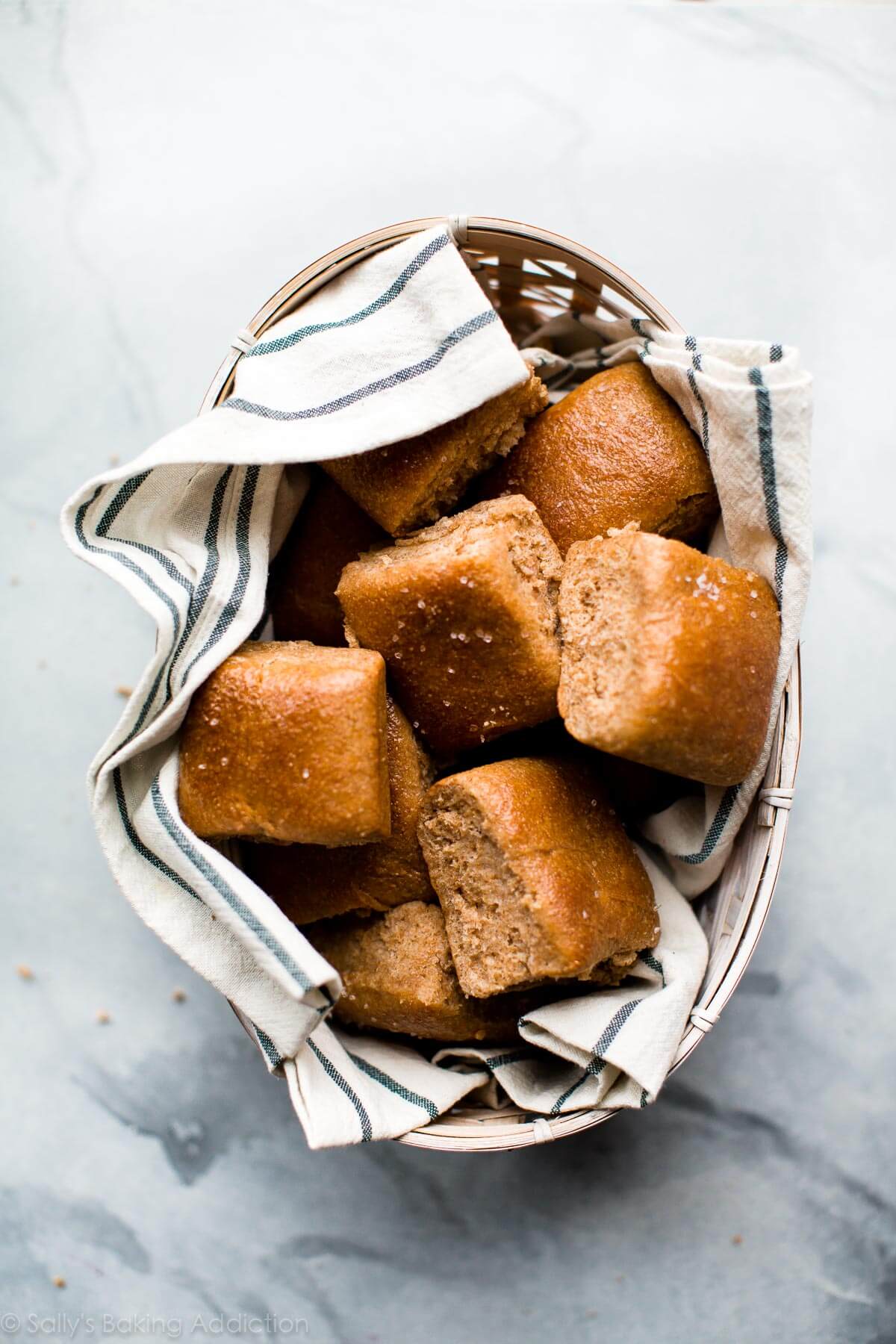
Unlock the Secret to Soft Honey Whole Wheat Dinner Rolls
The aroma of freshly baked bread wafting through your home is a universal comfort. But for many home bakers, the dream of creating truly soft, fluffy, and flavorful whole wheat rolls remains just that – a dream. Often, the reality of whole wheat baking can lead to dense, dry, and crumbly results that are more akin to hockey pucks than the pillowy delights we crave. This challenge, however, is precisely what makes mastering the art of the `honey whole wheat roll` so incredibly rewarding. Imagine serving a basket of warm, tender rolls, boasting a subtle sweetness from honey and a hearty depth from whole wheat, that effortlessly compete with (or even surpass) their white flour counterparts. This article will guide you through the secrets to achieving just that: irresistible `honey whole wheat rolls` that are soft, flavorful, and a triumph for any dinner table.
The Quest for the Perfect Honey Whole Wheat Roll
The allure of whole wheat bread lies in its robust flavor, satisfying texture, and nutritional benefits. Yet, translating these qualities into a soft dinner roll is where many recipes fall short. Traditional whole wheat flour, with its higher protein content and presence of bran and germ, tends to absorb more liquid and develop less gluten structure compared to refined white flours. This often results in a heavier, less airy crumb.
But it doesn't have to be this way. The secret to truly delicious `honey whole wheat rolls` lies in understanding the unique properties of whole wheat flour and adapting baking techniques accordingly. When done right, these rolls offer a delightful combination of nutty, earthy notes from the whole grains, beautifully complemented by the rich, floral sweetness of honey. They provide a more substantial bite than white rolls, offering "oomph" and staying power, making them perfect for soaking up gravies or serving alongside hearty meals. For those just beginning to explore the world of whole grain baking, or even sourdough, these rolls can be a surprisingly approachable and rewarding starting point, dispelling the myth that whole wheat must be tough.
Why They're a Game-Changer
- Unrivaled Softness & Fluffiness: The primary goal, and with the right approach, entirely achievable. No more dense rolls!
- Deep, Complex Flavor: The marriage of sweet honey and hearty whole wheat creates a profile that is both comforting and sophisticated. Add sourdough for an extra layer of tang and complexity.
- Hearty & Satisfying: These aren't just empty carbs. They provide more fiber and nutrients, making them a more wholesome and satisfying addition to any meal.
- Surprisingly Accessible: While whole wheat can be tricky, targeted techniques make these rolls achievable even for beginner bakers.
Decoding the Ingredients: The Building Blocks of Better Rolls
Crafting exceptional `honey whole wheat rolls` begins with understanding the role of each ingredient. Each component contributes not only to flavor but crucially to the texture and rise.
- Whole Wheat Flour: This is the star and often the challenge. Whole wheat flour contains the entire wheat kernel – bran, germ, and endosperm. The bran and germ are heavy and abrasive, cutting gluten strands and inhibiting rise, while also absorbing more liquid. This is why 100% whole wheat rolls often require specific adaptations. For an easier start, many recipes use a blend of whole wheat flour with bread flour or all-purpose flour. This blend provides the nutty flavor of whole wheat while allowing the stronger gluten of bread flour to contribute to a lighter, chewier texture and better rise. If you opt for 100% whole wheat, be prepared to potentially increase hydration or fat.
- Bread Flour (or All-Purpose Flour): If you're not going 100% whole wheat, bread flour is an excellent choice for blending. Its higher protein content means more gluten development, leading to a chewier crumb and a better structure for holding air. If using all-purpose flour instead, consider adding a teaspoon or two of vital wheat gluten per cup of whole wheat flour to boost the dough's strength and elasticity for a better rise and texture.
- Sourdough Starter: While not strictly necessary for delicious `honey whole wheat rolls`, a vibrant 100% hydration sourdough starter (levain) adds an incredible depth of flavor and unique tang. The slow fermentation process also contributes to better digestibility and an extended shelf life. Using sourdough transforms these into truly artisan rolls, offering a more complex profile than yeast-leavened versions. Dive deeper into the nuances of leavening options with our guide: % Whole Wheat vs. Sourdough: Your Guide to Honey Rolls.
- Honey: Beyond just sweetness, honey plays a vital role in these rolls. It contributes to a rich, distinctive flavor that perfectly complements the whole wheat. Furthermore, honey is a natural humectant, meaning it helps the rolls retain moisture, contributing to that coveted soft texture and extending their freshness. Because it's a liquid sweetener, if you ever substitute granulated sugar, you may need to slightly increase the water content of your dough.
- Unsalted Butter: Butter is essential for richness and tenderness. Using unsalted butter allows you to control the exact amount of salt in your recipe. For 100% whole wheat rolls, an increased amount of butter (sometimes up to 1/2 cup or 8 tablespoons) is often key to compensating for the whole wheat flour's tendency towards density, significantly improving softness and crumb structure. Ensure it's melted and cooled before incorporating.
- Salt: Never forget the salt! It's not just for seasoning; salt strengthens the gluten network, regulates yeast activity, and profoundly enhances all the other flavors in your bread. Without it, your rolls will taste flat and bland.
- Water/Milk: Proper hydration is critical. Whole wheat flour absorbs more liquid than white flour, so your dough might feel stickier than you're used to. Milk can add additional richness and contribute to a softer crumb due to its fat and sugar content.
Mastering the Technique: Tips for Unrivaled Softness
Beyond the ingredients, specific techniques are crucial to transform simple components into extraordinary `honey whole wheat rolls`.
Dough Hydration and Consistency
Whole wheat dough can be tricky because it absorbs liquid slowly. Don't be afraid if your dough feels a bit sticky initially; resist the urge to add too much extra flour. A well-hydrated dough is key to a soft crumb. You want a dough that is tacky but manageable after kneading. Allowing the dough to rest for a "autolyse" period (mixing flour and water only before adding other ingredients) can help the whole wheat flour fully hydrate, leading to better gluten development.
Effective Kneading
Whether by hand or stand mixer, thorough kneading is essential to develop the gluten network that traps gases and creates that airy, fluffy texture. Whole wheat flour's bran can interfere with gluten development, so ensure you knead until the dough passes the "windowpane test" – a small piece of dough can be stretched thin enough to see light through it without tearing. This indicates strong gluten development.
Patient Proofing
Whole wheat dough, especially sourdough, can take longer to proof than white flour doughs. Provide a warm, draft-free environment and allow the dough to rise until it's noticeably puffy and nearly doubled in size. Don't rush this process; proper proofing is vital for a light texture. Under-proofed rolls will be dense, while over-proofed rolls can collapse.
The Perfect Bake and the Honey Butter Glaze
Bake your rolls until they are golden brown on top and sound hollow when tapped on the bottom. To elevate your `honey whole wheat rolls` to another level, consider an optional but highly recommended honey butter topping. Immediately after removing the hot rolls from the oven, brush them generously with a mixture of melted unsalted butter, a touch of honey, and a pinch of salt. This glaze not only adds an extra layer of delicious honey flavor and sheen but also helps to keep the crust soft.
Choosing Your Whole Wheat Path: 100% or a Blend?
One of the first decisions you'll make when baking `honey whole wheat rolls` is whether to use 100% whole wheat flour or a blend. Both approaches have their merits, and your choice often depends on your desired texture and flavor intensity.
*
100% Whole Wheat: This path delivers the maximum nutritional benefit and the most pronounced nutty, hearty flavor. It offers incredible body and texture that truly stands out. However, achieving softness requires specific adjustments, such as significantly increasing the amount of butter in the dough. This extra fat helps tenderize the crumb and counteracts the density that whole wheat can bring. While they might not reach the ethereal heights of white flour rolls, 100% whole wheat versions boast a unique, satisfying chew and a rich, wholesome taste that can't be replicated.
*
Whole Wheat & Bread Flour Blend: This is an excellent compromise, especially for those new to whole grain baking. By combining whole wheat with a strong white flour like bread flour, you get the best of both worlds: the delightful flavor notes of whole wheat without sacrificing too much on the softness and rise. The bread flour provides the robust gluten structure needed for a fluffy, airy texture, making the dough easier to handle and more forgiving. This approach often results in rolls that are irresistibly soft and maintain that hearty whole wheat character. For more insights on balancing heartiness with an irresistibly soft texture, explore our article:
Honey Whole Wheat Rolls: Hearty Taste, Irresistibly Soft Texture.
Ultimately, both methods can yield incredibly delicious results. Experiment to discover which ratio and technique best suit your taste and baking style.
Conclusion
The journey to crafting truly soft and flavorful `honey whole wheat rolls` is a rewarding one. By understanding the unique properties of whole wheat flour, choosing your ingredients wisely, and employing careful techniques in kneading, proofing, and baking, you can transform what was once a challenging endeavor into a triumphant success. No longer will whole wheat rolls be relegated to the realm of dense, dry disappointments. Instead, you'll unlock the secret to golden, tender, sweet, and hearty rolls that will proudly grace your dinner table, earning rave reviews and becoming a treasured staple in your recipe repertoire. So, gather your ingredients, embrace the process, and prepare to delight your senses with the unparalleled taste of homemade `honey whole wheat rolls`.