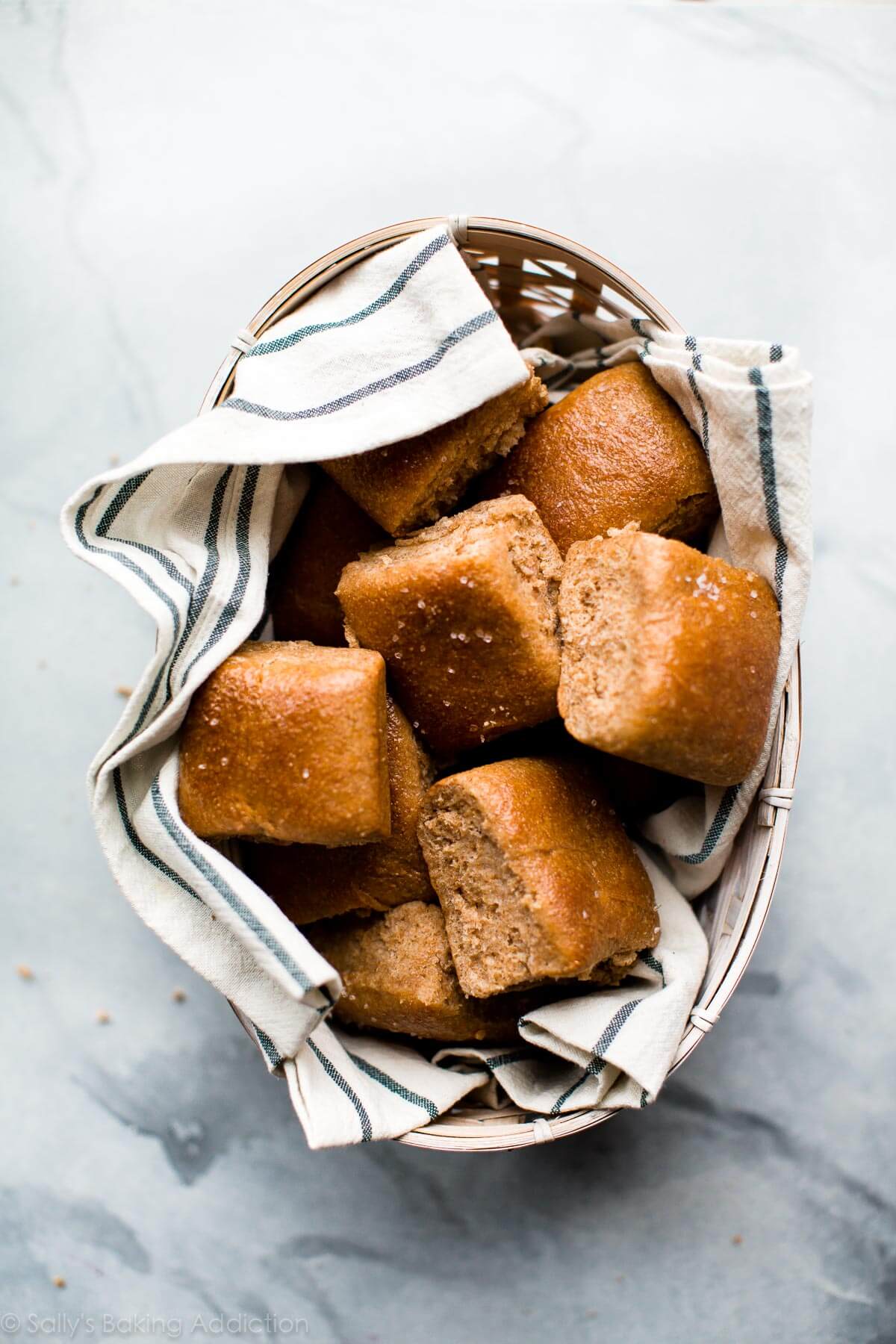
The Allure of Honey Whole Wheat Rolls: A Hearty Classic
There's a special satisfaction that comes with baking a batch of truly delicious, homemade rolls. Even more so when those rolls are packed with wholesome goodness. We're talking about honey whole wheat rolls – a category of bread that promises a delightful balance of earthy grains and sweet, golden honey. For many home bakers, the quest for a soft, fluffy whole wheat roll can feel like winning the lottery. All too often, attempts can result in dense, hockey-puck-like creations rather than the airy, tender morsels we crave. But with the right approach, these rolls can easily compete with, and even surpass, their white flour counterparts, offering a unique nutty flavor, a touch of sweetness, and a satisfyingly substantial texture.
The beauty of a well-crafted honey whole wheat roll lies in its versatility. It's robust enough to accompany a hearty stew, yet tender enough to melt in your mouth when slathered with a pat of butter. The combination of whole wheat flour provides a deeper, more complex flavor profile, while honey contributes not just sweetness, but also a wonderful aroma and helps maintain moisture, keeping the rolls soft for longer. This foundation is where our exploration begins, as we delve into the nuances of achieving that perfect balance, whether you choose a traditional yeast-based method or venture into the world of sourdough.
Mastering 100% Whole Wheat: Tips for Success
Baking with 100% whole wheat flour can be a bit of a challenge due to its inherent characteristics. Unlike white flour, whole wheat flour contains the bran and germ, which are packed with nutrients but also add weight and interfere with gluten development. Gluten is the protein network responsible for the elasticity and structure of bread, allowing it to rise and hold its shape. With less gluten and more interfering particles, whole wheat dough can be heavy and dense, making it harder to achieve that coveted soft, fluffy texture.
However, fear not! It is absolutely possible to create soft honey whole wheat dinner rolls without resorting to vital wheat gluten or blending in white flour. The key lies in understanding and adapting your technique. Here are some expert tips:
- Increased Hydration: Whole wheat flour absorbs more liquid than white flour. Don't be afraid to add a little more water to your dough than you might initially think is necessary. A slightly stickier dough will result in a more tender crumb. If you're substituting honey for sugar, you might even need a touch more water, as honey is already a liquid sweetener.
- Extra Fat: Increasing the amount of butter in your recipe is a brilliant strategy. Butter not only adds richness and flavor but also tenderizes the dough, counteracting the densifying effects of whole wheat flour. Melted and cooled unsalted butter is ideal, allowing you to control the overall salt content.
- Thorough Kneading: While whole wheat flour has less gluten, it still benefits from thorough kneading. This helps to develop whatever gluten is present, strengthening the dough's structure. Aim for a smooth, elastic dough that passes the windowpane test (where a small piece of dough can be stretched thin enough to see light through it without tearing).
- Proper Proofing: Whole wheat dough can sometimes take longer to rise than white flour dough. Be patient and allow the dough to double in size in a warm, draft-free place. Under-proofed rolls will be dense, while over-proofed rolls can collapse.
- Resting Times: Longer resting times, even short ones between folding and shaping, can help the gluten relax, making the dough easier to work with and contributing to a more tender final product.
While 100% whole wheat rolls might naturally have a heartier texture and a slightly less dramatic rise compared to their white flour counterparts, their depth of flavor and wholesome goodness make them incredibly satisfying and a proud addition to any meal.
Sourdough's Magic Touch: Elevating Honey Whole Wheat Rolls
For those seeking to add another layer of complexity, flavor, and even improved digestibility to their honey whole wheat rolls, sourdough offers a fascinating pathway. The active cultures in a sourdough starter work wonders, transforming simple ingredients into something truly extraordinary. While the process may seem intimidating to beginners, many recipes for sourdough honey whole wheat rolls are designed to be quite approachable, even for those just starting their sourdough journey.
The benefits of incorporating sourdough into your whole wheat rolls are numerous:
- Enhanced Flavor Profile: Sourdough introduces a subtle tang that beautifully complements the sweetness of honey and the earthy notes of whole wheat flour. This results in a more nuanced and sophisticated flavor that is deeply satisfying.
- Improved Texture: Sourdough fermentation helps break down starches and proteins, leading to a softer, more open crumb structure. Even with a significant amount of whole wheat flour, sourdough rolls often achieve a delightful lightness and chewiness that can be challenging to achieve with traditional yeast.
- Better Rise: The natural yeasts in a sourdough starter can provide a robust rise, contributing to light and fluffy rolls. Many recipes utilize a combination of whole wheat and bread flour to further optimize both flavor and rise, leveraging the higher gluten content of bread flour.
- Increased Digestibility: The long fermentation process of sourdough can predigest some of the complex carbohydrates and gluten in the flour, making the rolls easier on the digestive system for some people.
Essential Ingredients & Their Role in Sourdough Honey Whole Wheat Rolls
Crafting sourdough honey whole wheat rolls relies on a few key ingredients, each playing a crucial role:
- Active Sourdough Starter: This is the heart of your rolls. Ensure your starter is active and bubbly, typically fed at 100% hydration, to provide the necessary leavening power.
- Whole Wheat Flour: Provides the characteristic nutty flavor and nutritional benefits. Many sourdough whole wheat roll recipes suggest a blend with bread flour. Bread flour's higher protein content helps develop a stronger gluten network, which is beneficial for the structure and rise, especially when working with the heavier whole wheat flour. If opting for 100% whole wheat, be prepared for a slightly denser texture, or consider adding a touch of vital wheat gluten if you desire more bounce. If substituting all-purpose flour for bread flour, vital wheat gluten would also be a good addition for optimal results.
- Honey: Beyond its role as a sweetener, honey acts as a humectant, drawing and retaining moisture, which contributes to the rolls' soft texture and extended freshness. It also provides essential sugars for the yeast in your starter to feed on. If you were to substitute granulated sugar, you might need to adjust the liquid content slightly, as sugar is a dry ingredient.
- Unsalted Butter: Adds richness, tenderness, and a lovely golden color. Using unsalted butter allows you to control the exact amount of salt in your recipe. Melted and cooled butter integrates smoothly into the dough.
- Salt: A non-negotiable ingredient, salt is vital for flavor enhancement and also plays a role in controlling the rate of fermentation. Don't skip it!
- Optional Honey Butter Topping: For an extra decadent finish, a simple topping of melted butter, honey, and a pinch of salt brushed over the warm rolls after baking takes them to an unparalleled level of deliciousness.
Whole Wheat vs. Sourdough: Making Your Choice for Honey Rolls
When it comes to baking truly exceptional honey whole wheat rolls, both traditional yeast-based methods and sourdough techniques offer compelling paths to deliciousness. Your choice ultimately depends on your baking goals, experience level, and the characteristics you prioritize in your final product.
The 100% Whole Wheat (Traditional Yeast) Approach:
- Pros: Generally quicker from start to finish as it doesn't rely on long fermentation. Simpler ingredient list without needing an active sourdough starter. Yields a distinctly hearty and robust roll with a straightforward, wholesome flavor.
- Cons: Can be challenging to achieve extreme softness without specific techniques (like increased butter) or adding vital wheat gluten. Might not have the same complexity of flavor as sourdough.
- Best for: Bakers who value speed and simplicity, prefer a classic, rustic whole wheat flavor, or are new to bread baking and want to master the basics without the added variable of sourdough maintenance.
The Whole Wheat Sourdough Approach:
- Pros: Delivers a deeper, more complex flavor profile with a delightful tangy note that complements the honey beautifully. Often results in a surprisingly soft and chewy crumb, even with a high percentage of whole wheat flour, thanks to the sourdough's enzymatic activity. Offers improved digestibility for many. The baking process can be a rewarding, almost meditative journey.
- Cons: Requires an active and well-maintained sourdough starter. The overall process, from feeding the starter to the extended fermentation, takes more time (though much of it is hands-off).
- Best for: Bakers with an active sourdough starter, those who appreciate nuanced flavors and improved texture, or individuals looking to delve deeper into the art of bread making and enjoy the unique characteristics sourdough brings to the table. It's also a surprisingly great entry point for sourdough beginners looking for a forgiving recipe.
It's also worth noting that many sourdough recipes for honey whole wheat rolls smartly use a blend of whole wheat and bread flour, offering a "best of both worlds" scenario. This allows for the rich flavor and health benefits of whole wheat, combined with the structural strength and lighter crumb that bread flour and sourdough contribute. This hybrid approach often strikes an ideal balance, creating rolls that are both hearty and tender.
Conclusion
Whether you opt for the robust simplicity of traditional 100% honey whole wheat rolls or embrace the complex flavors and textures offered by sourdough, you're in for a treat. Both methods promise incredibly satisfying, wholesome rolls that will impress at any dinner table. The key lies in understanding your ingredients and adapting your technique to coax the best out of whole wheat flour. Don't be afraid to experiment; perhaps try both approaches to discover your personal favorite. Whichever path you choose, the aroma of freshly baked honey whole wheat rolls filling your kitchen is a reward in itself, promising a delightful culinary experience from your own oven.
